

What Causes Concrete Spalling on Runways?
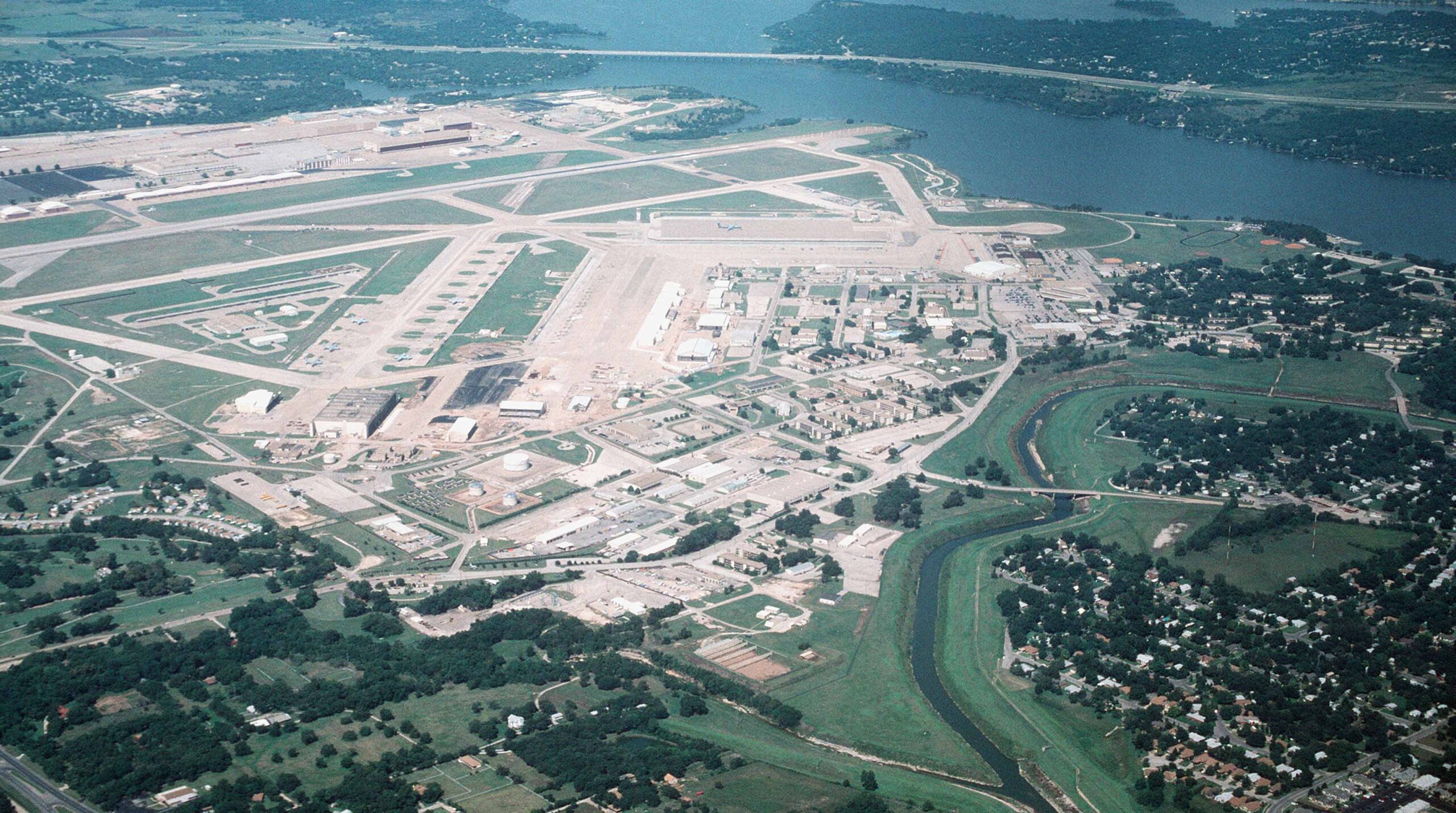
When active military runways need repair, there’s no margin for error—and certainly no room for extended closures. At Naval Air Station Joint Reserve Base in Fort Worth, Texas, a critical runway rehabilitation project demanded speed, durability, and precision under extreme operational constraints.
This case study highlights how a high-performance polymer repair system enabled the restoration of 6,000 linear feet of runway centerline joints—without disrupting aircraft operations.
Project Overview
The objective was straightforward but demanding: rehabilitate deteriorated runway joints to eliminate foreign object debris (FOD) risk, restore structural integrity, and extend the runway’s service life.
The challenge? All work had to be completed during nightly shutdown windows—typically between 11 PM and 6 AM—while ensuring the runway was fully operational by morning.
Key Challenges
This project presented a unique combination of constraints:
-
Active runway environment with zero tolerance for delays
-
Limited overnight work window (7 hours per night)
-
Heavy aircraft loading required high structural performance
-
Moisture intrusion and exposure to harsh chemicals
-
Need for rapid curing to allow immediate return to service
Traditional repair materials simply couldn’t meet these demands.
Solution: High-Performance Polymer Repair System
To meet the tight timeline and performance requirements, a vinyl polymer composite system was selected. Unlike conventional concrete repairs, this material offers rapid curing, superior adhesion, and long-term durability under extreme conditions.
Implementation Process
The repair process was streamlined for efficiency and repeatability across nightly work cycles.
1. Concrete Removal: Deteriorated concrete was removed using a hydraulic breaker to establish clean, defined boundaries.
2. Surface Preparation: All repair areas were thoroughly cleaned to remove dust and debris, ensuring optimal bonding conditions.
3. Material Mixing: On-site batching allowed for precise control of material consistency and minimized delays.
4. Final Installation: The polymer composite was applied to a depth of approximately 3 inches, creating a clean, uniform joint ready for immediate loading.
Performance Results
The results exceeded expectations across every performance metric:
-
Immediate return to service after application
-
Zero disruption to runway operations
-
Abrasion
-
Impact
-
Moisture
-
Chemical exposure
-
Superior resistance to:
-
Abrasion
-
Impact
-
Moisture
-
Chemical exposure
-
-
-
Long-term durability under heavy aircraft loads
Each night, crews completed approximately 800 linear feet of repair, maintaining a consistent and predictable workflow.
Technical Summary
-
Total Repair Length: 6,000 LF
-
Material Type: Vinyl Polymer Composite
-
Cure Time: ~30 minutes
-
Work Window: 7 hours per night
-
Application Depth: 3 inches
-
Load Readiness: Immediate
Why Polymer-Based Repair Systems Outperform Traditional Methods
This project reinforces a growing industry reality: polymer-based repair systems are redefining what’s possible in time-critical infrastructure environments.
Key advantages include:
- Rapid cure times that enable same-night return to service
- Stronger bond performance with proper surface preparation
- Environmental adaptability for consistent curing conditions
- Thin, high-strength applications that preserve structural integrity
For high-stakes environments like airports, military bases, and logistics hubs, these systems are no longer optional—they’re essential.
Conclusion
The runway rehabilitation at Naval Air Station Fort Worth demonstrates what’s achievable when advanced materials meet disciplined execution.
By leveraging a high-performance polymer system and a tightly managed overnight workflow, the project team delivered a durable, long-lasting repair—without interrupting mission-critical operations.
For organizations facing similar constraints, this approach offers a proven path forward: faster repairs, stronger performance, and zero downtime.


