

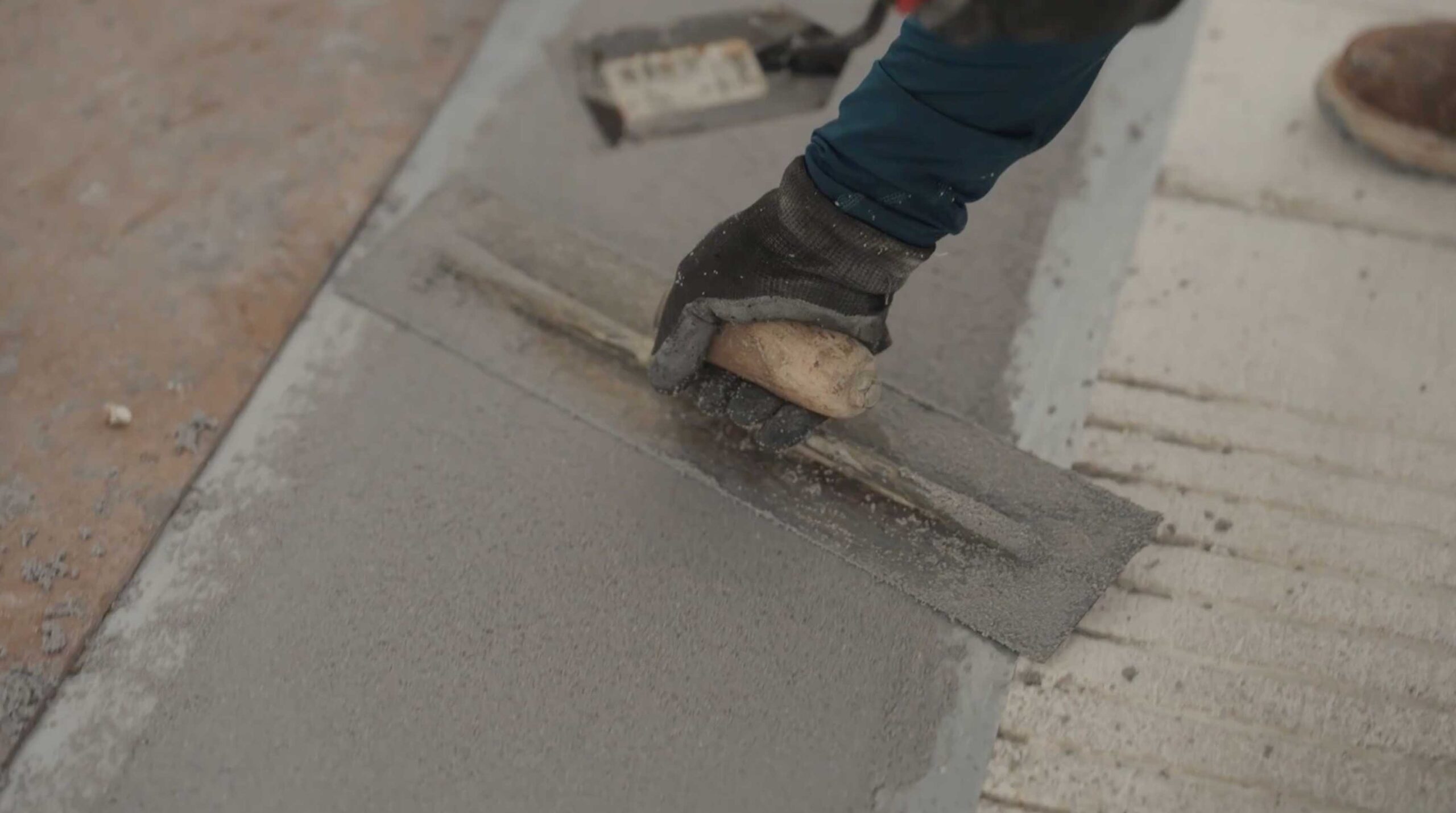
What Causes Concrete Spalling on Runways?
Understanding One of the Most Common Airfield Maintenance Problems
At first glance, concrete spalling on a runway might look like a minor cosmetic issue — a small patch where the surface has broken away or chipped. But for airport maintenance teams, these small defects often signal the beginning of a much larger infrastructure problem.
Concrete spalling is one of the most common types of pavement damage on airfields. If not addressed quickly, it can expand, create foreign object debris (FOD) hazards, and eventually lead to significant operational disruptions.
Understanding what causes spalling — and how to address it effectively — is critical for maintaining safe and reliable runway infrastructure.
What Is Concrete Spalling?
Concrete spalling occurs when the surface layer of concrete begins to break, flake, or chip away from the underlying structure.
On runways and taxiways, spalling typically appears as:
- Small surface cavities
- Broken edges along joints
- Flaking or scaling of the top concrete layer
- Shallow depressions where aggregate becomes exposed
While spalling often begins as a localized issue, environmental exposure and repeated aircraft loading can cause the damaged area to expand quickly.
The Most Common Causes of Runway Spalling
Runway pavements endure some of the most demanding conditions in infrastructure. Several factors can contribute to spalling over time.
Freeze–Thaw Cycles
In colder climates, moisture that enters the concrete surface can freeze and expand. As this cycle repeats, internal pressure builds within the concrete, eventually causing the surface layer to fracture and separate.
Airfields located in regions with frequent freeze–thaw conditions are especially susceptible to this type of deterioration.
De-Icing Chemicals
De-icing chemicals are essential for safe winter operations, but they can accelerate concrete deterioration when combined with moisture infiltration.
Some chemicals increase the rate at which water penetrates the concrete surface, intensifying freeze–thaw damage and weakening the top layer of pavement.
Heavy Aircraft Loads
Modern aircraft place tremendous stress on runway pavement. Large commercial jets and military aircraft concentrate thousands of pounds of pressure through relatively small landing gear footprints.
Over time, this repeated loading can contribute to microfractures within the concrete surface, eventually leading to spalling.
Poor Bonding in Previous Repairs
Another common cause of recurring spalling is inadequate bonding between repair materials and the original concrete surface.
If the repair material does not properly adhere to the existing pavement, the patch may fail prematurely, leaving the area vulnerable to further damage.
This is one reason airports increasingly look for repair materials specifically engineered for airfield pavement environments.
Why Spalling Can Become a Safety Issue
While small spalled areas may appear harmless, they can quickly create operational risks.
Fragments of loose concrete can become foreign object debris (FOD), which poses a significant hazard to aircraft engines, tires, and ground equipment.
For this reason, many airports prioritize rapid repairs for spalling damage before the defect has an opportunity to grow.
Routine inspections and quick-response maintenance strategies help reduce the likelihood of emergency runway closures.
Early Repairs Save Time and Money
Addressing spalling early is one of the most effective ways to control maintenance costs and prevent larger structural repairs.
When small defects are repaired quickly:
- Damage is contained before spreading
- FOD hazards are minimized
- Pavement life can be extended
- Operational disruptions are reduced
Many airports now use rapid repair materials that allow crews to stabilize damaged areas within short maintenance windows.
These modern repair systems allow maintenance teams to complete repairs efficiently while restoring the structural integrity of the runway surface.
A Proactive Approach to Airfield Pavement Maintenance
As aircraft traffic continues to increase worldwide, maintaining reliable runway infrastructure becomes even more critical.
Preventive maintenance strategies — including early spall repair — allow airports to stay ahead of pavement deterioration rather than reacting to large failures after they occur. Specifically, for military airport operations, runway readiness is paramount to success and military preparedness.
By identifying damage early and using scientifically-proven, durable spall repair materials, maintenance teams can extend pavement life, reduce downtime, and maintain safe operating conditions for aircraft.


